
How much money should I be saving? This question has crossed our minds, but most never give it much thought. It might seem straightforward. However, once you dig deeper, it is more complex than it seems. In this blog, we’ll explore this question in more detail, outlining how much money to save per month and what your options are.
Why Is Saving Money Important?
Financial Security
Saving money is the foundation of financial security. By setting aside funds, you create a cushion to prepare for the unexpected that life can bring. Medical bills, car repairs, and other emergencies can really take a toll on your budget. Knowing you have cash reserved for these events provides the peace of mind and focus you need to achieve your other goals.
Working Towards Goals
Achieving goals requires proper planning and budgeting. Saving money is a crucial step in turning distant dreams closer to reality. Are you looking to buy a new home? Or eager to turn your brilliant idea into a real business opportunity? By providing the necessary capital, you help yourself work steadily toward your goals.
Flexibility During Life Changes
Having a savings account gives you more freedom to change course on your own terms. Whether it is a new career or relocating to a new city, financial reserves will provide you with more flexibility and time. Without it, you will be forced to stay in the same lane simply because you don’t have the means of affording the life changes you desire.
How Much Money Should I Be Saving?
There Isn’t A One-Size-Fits-All Answer
How much money to save per month? When it comes to saving, there is no one-size-fits-all approach. Everyone has different needs and wants, so naturally, everyone will require a different amount. To determine how much you need, look closely at your cost of living, responsibilities, and any debts you may have. Don’t compare your progress with others. Focus on your budget based on your priorities.
General Savings Guidelines
A classic rule of thumb to help jumpstart your journey is the 50/30/20 budget method. 50% essential needs, 30% wants, and 20% to your savings accounts. If 20% is currently out of reach, it is OK to allocate less and grow your savings as you go. What matters most is progress with a focus on consistency and dedication.
Increase Savings Over Time
Whenever you can, contribute more to your savings. Put any extra money you make from a raise, a bonus, or paying off debt into your savings. It’s important to save over time so your safety net grows and you are prepared for lifestyle changes.
How Much Should I Save Per Month?
Build Savings Into Your Monthly Budget
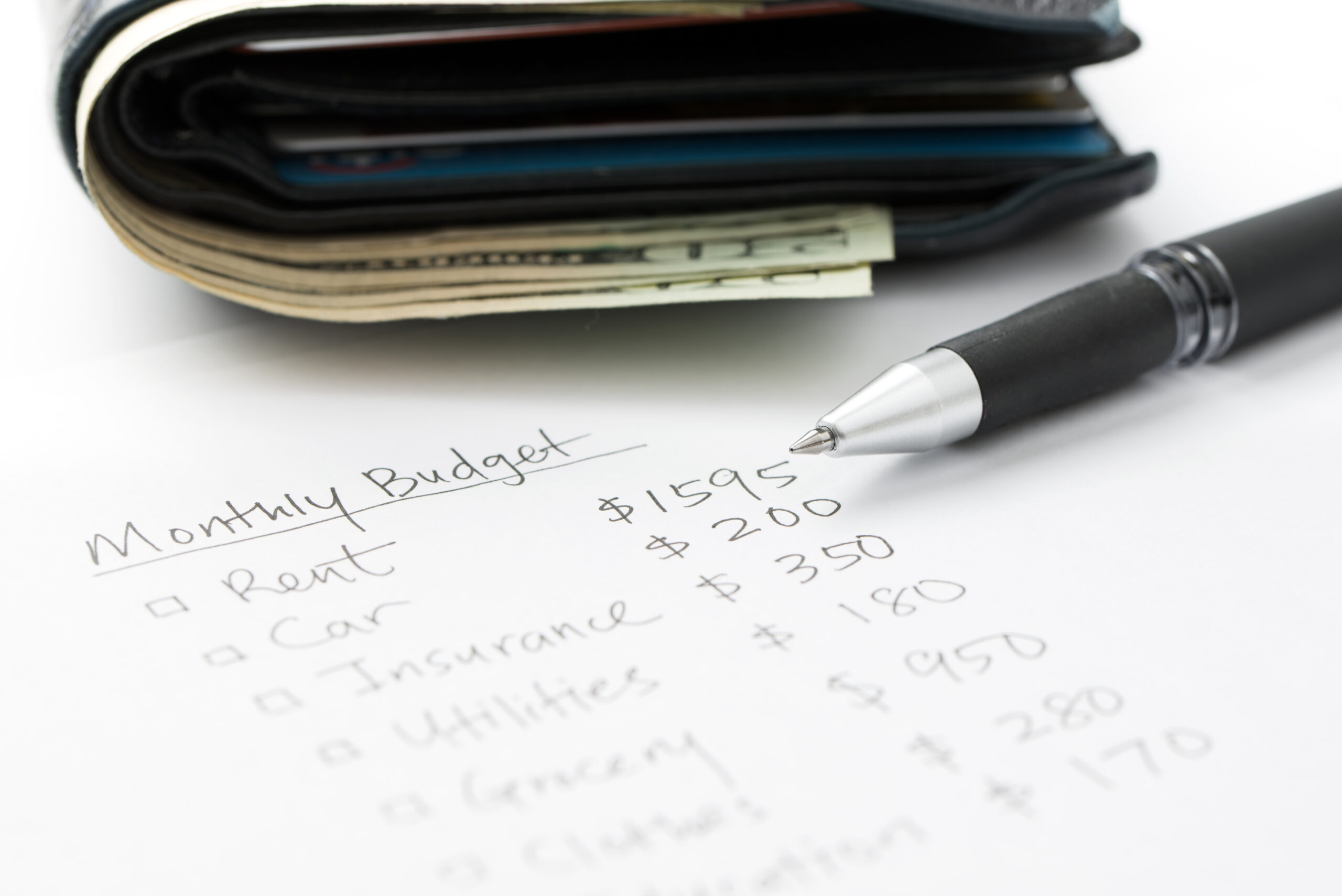
Treat saving contributions as a must-pay item at the top of your list each month. Set up an automatic transfer from your paycheck to your account, so that you can avoid the temptation of spending money that would otherwise be saved for non-essentials.
Adjust Based on Your Financial Situation
Your savings should also be adaptable. This means that it can change based on your financial situation. For example, in the months when you are facing an unexpected rise in expenses, such as car repairs, scale back on your contributions for that month. And similarly, when monthly expenses are low, contribute more to your savings.
Small Contributions Add Up
What matters most is that you maintain contributions to your savings, no matter how small. It is always better to contribute some than nothing. This will help build momentum and reinforce positive saving habits. Remember, every dollar you put into savings, you are strengthening your financial foundation.
What Should You Be Saving For?
Emergency Fund
Emergencies are often unexpected and in many cases extremely costly. A prime example is a medical emergency or a sudden loss of a job. An emergency fund, ideally enough to cover three to six months’ worth of living expenses, provides a buffer that can keep you from borrowing money and throwing your life off track.
Retirement
Saving for retirement is a long-term project, so the earlier you start, the better. Ideally, post-work years are a period to enjoy life and minimize stress. Prioritizing your savings to build a healthy retirement account that covers everything from day-to-day living to healthcare expenses can help you get the comfortable retirement life everyone dreams of.
Major Purchases
Saving for major purchases, such as a home or vehicle, requires intentional planning. These purchases come with a massive price tag. By starting early and maintaining regular contributions, it can help break down the price into smaller portions and help keep your daily budget intact while still working towards ownership.
Education
Education is one of the most important investments one can make but also the most expensive one. Setting up a dedicated education savings account and getting started early can help reduce reliance on student loans and create opportunities for personal development and career advancement—all without the long-term debt burden.
Lifestyle Goals
Wealth shouldn’t only focus on funding survival-related needs. Enjoying life through lifestyle preferences, such as hobbies and traveling, is also essential for a wholesome, healthy life. Whatever your hobbies are, put aside some savings to help support them. This proactive approach helps you live your life without straining your overall financial stability.
Where Should You Keep Your Savings?
Checking Accounts
Checking accounts are generally used for day-to-day transactions and do not earn any interest. Hence, it may not be the best idea to put your savings in a checking account, especially not long-term savings. It’s hard to separate it from daily expenses, and your money sits there without growing.
Savings Accounts
A traditional savings account is a safe and separate space to park your money, which works well in keeping it away from everyday spending temptations. Money in savings accounts also earns interest over time, so it is ideal for you if your goal is short-term saving.
Savings accounts are also easy to access, so if you need to move funds or access your money for an unexpected expense, you can generally do so quickly.
High-Yield Savings Accounts
High-yield savings accounts offer the ability to earn more interest, a perfect chance to grow your money passively just by sitting there. High-yield savings accounts also have the advantage of earning you more interest while still providing fairly easy access to your money. They make a good option for emergency funds and short-term savings goals.

Retirement Accounts
Retirement accounts such as a 401(k), traditional IRA, and Roth IRA are designed to help you build wealth over time and put your savings to work for your future. They also offer valuable tax benefits that can help your money grow more efficiently.
Traditional 401(k)s and traditional IRAs allow you to make tax-deductible contributions, and the investment earnings grow tax-deferred, meaning you don’t pay taxes on interest, dividends, or capital gains while the money is in the account. Taxes are applied at withdrawal. With a Roth IRA, however, contributions are made with after-tax dollars, but qualified withdrawals—including investment earnings—are generally tax-free.
Investment Accounts
Investment is a great tool to potentially grow your wealth long-term. By putting money in stocks, bonds, or brokerage accounts, you get the opportunity for compounding growth, which works well against inflation. However, money that goes into investment accounts does carry risks and lacks immediate liquidity, so put only capital that you do not plan to touch for 5 – 10 years.
How Financial Planning Can Help You Save More Effectively
How much money should I be saving? The answer depends on your goals and the tools available to reach them. Financial planning and opting for the right strategies can become an effective tool to help allocate your savings and, at the same time, grow the money to support your financial goals.
At Butson Financial Advisors, we can help create a robust financial plan designed specifically for your situation. We can assist you in developing a realistic savings and budgeting plan designed around the goals you want to achieve. Contact our team today, and let’s start building the future together.
*Content in this material is for general information only and not intended to provide specific advice or recommendations for any individual. This information is not intended to be a substitute for individualized legal or tax advice. Butson Financial Advisors and LPL Financial do not provide legal advice or services. Please consult your legal advisor regarding your specific situation.*
